
Five Friends, One 30A Beach Home, and a Co-Ownership That Still Works Six Years Later
A real-life co-ownership model created and personally experienced by Karla Jones, owner of Luxury Fractional Guide.
Now entering Year 6, the ownership group still operates smoothly with clear communication, fair usage, shared financial responsibility, and virtually no conflict.
This case study offers a real-world look at how thoughtful co-ownership can create a more sustainable, enjoyable, and financially practical way to own a luxury second home.
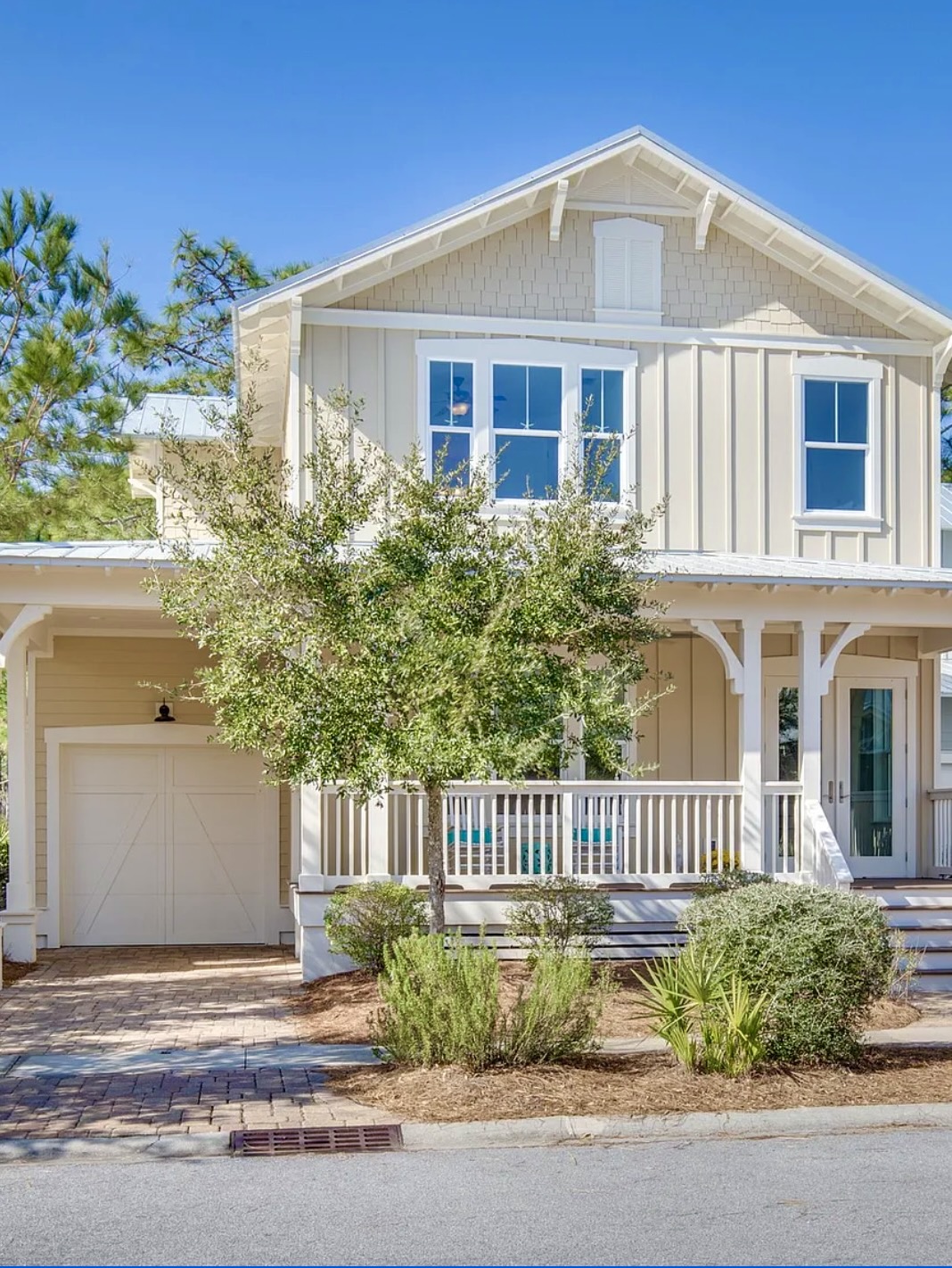
In 2021, Karla Jones formed a small co-ownership group around a beach home in 30A, Florida. She selected the property, structured the ownership model, and invited four friends to become co-owners.
The Dream Behind the Property
Karla first fell in love with 30A in 2008 and later spent six months living there while searching for a permanent home. Although Colorado ultimately remained her primary residence, she never let go of the idea of owning a place in 30A — a destination that felt both grounding and inspiring.
In 2021, during one of the hottest real estate markets in history, she found the right beach home and put it under contract.
As the market accelerated and the property appreciated almost immediately, she saw an opportunity to structure the purchase differently.
Instead of owning the home alone, why not create a small co-ownership group built around shared usage, shared expenses, and long-term enjoyment?
Within days, four friends committed to the idea and the group was formed.
Why the 1/5th Structure Worked
The ownership was divided into five equal 1/5th interests.
This structure created a balance between meaningful cost-sharing and operational simplicity. Each owner received generous annual usage while keeping the ownership group small enough for communication and scheduling to remain manageable.
For many co-ownership properties, the 1/5th model represents the sweet spot: enough owners to significantly reduce costs, but few enough to preserve flexibility and alignment.
The Financial Structure
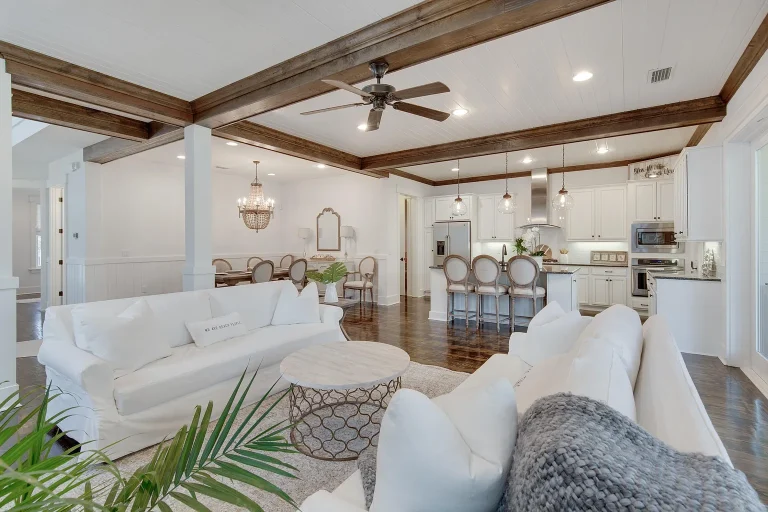
Purchase Price: $1,125,000
Ownership Structure:
• Five equal 1/5th ownership interests
• One owner later divided their share into two 1/10th interests after a life event
Annual Usage:
• 1/5th owners receive approximately 8 weeks annually
• 1/10th owners receive approximately 4 weeks annually
Rental Strategy:
The group designated ten peak summer weeks for short-term rentals, generating approximately $25,000 annually to help offset operating costs.
Estimated Annual Net Ownership Costs:
• 1/5th owner: approximately $6,720 annually (~$560/month)
• 1/10th owner: approximately $3,360 annually (~$280/month)
The result was a luxury beach ownership experience at a fraction of the financial burden associated with sole ownership.
The Ownership Structure
The property was purchased through an LLC specifically created for the group.
The structure included:
• A professionally drafted Operating Agreement
• Defined voting procedures
• A Managing Member responsible for coordination
• Shared bank accounts and budgeting
• Clear ownership transfer provisions
• A defined long-term exit strategy
The framework was intentionally designed to create clarity, fairness, and flexibility from the beginning.
The Reservation System
One of the biggest concerns buyers have about co-ownership is scheduling.
To solve this, the group implemented a rotating Priority Reservation Protocol designed to ensure fairness year after year.
The system works as follows:
• Owners are assigned annual selection positions
• Round 1 proceeds from positions 1 through 5
• Round 2 reverses from 5 back to 1
• The rotation shifts annually so every owner eventually experiences every position
The result is predictable, transparent scheduling without competition or resentment.
Over six years, the reservation system has continued to operate exactly as intended.
Operations and Decision-Making
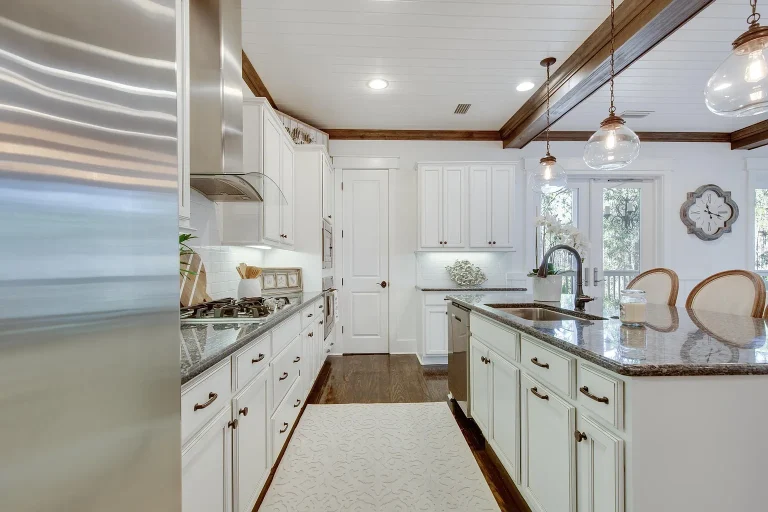
The annual budget includes:
• HOA fees
• Property taxes
• Insurance
• Utilities and WiFi
• Golf cart and bikes
• Maintenance and repairs
• Home supplies
• Legal and accounting expenses
• Reserve funding
Most operational decisions are handled through simple email communication, while larger discussions occur through occasional Zoom calls.
The group uses supermajority voting for larger decisions, although most votes have historically been unanimous due to the strong alignment established from the beginning.
Why the Co-Ownership Has Worked So Well
In nearly six years, the group has not experienced a single major conflict.
That outcome was not accidental.
Several factors contributed to the long-term success:
• aligned personalities
• transparent financials
• clearly documented expectations
• fair reservation systems
• defined governance
• open communication
• shared pride in ownership
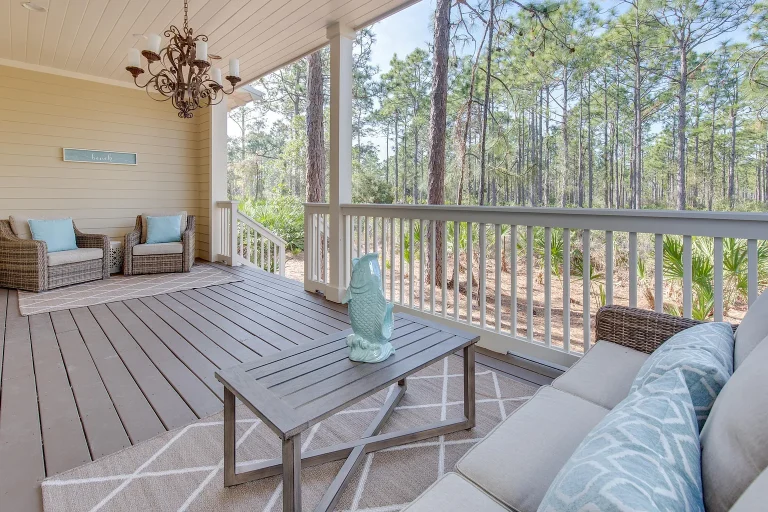
Unlike traditional vacation rentals, every owner treats the property with care because they genuinely view it as their home.
The result has been a structure built around shared enjoyment rather than stress.
The Exit Strategy
The ownership group originally established a five-year term ending in 2026.
As the term approached, the owners unanimously voted to extend the LLC through March 2029, with another vote scheduled at that time to determine whether to continue ownership or sell the property.
From the beginning, the group understood both the ownership timeline and the exit process — an important factor in maintaining long-term stability.
A Real-Life Example of Flexibility
Several years into ownership, one owner experienced a significant life change following the death of a life partner.
Rather than disrupting the group, the LLC structure allowed the ownership interest to be cleanly divided into two 1/10th interests. Half of the share was transferred to the sister of another co-owner, and the transition occurred smoothly within the framework already established.
The experience reinforced one of the greatest strengths of well-structured co-ownership: life changes can happen without destabilizing the ownership group.
What This Case Study Demonstrates
This experience highlights an important truth about modern co-ownership.
When structured thoughtfully, co-ownership can create:
• meaningful access to luxury second homes
• reduced financial pressure
• predictable usage
• shared responsibility
• and long-term enjoyment without the burden of sole ownership
The success of this group was not driven by luck.
It was driven by structure.
About Luxury Fractional Guide
Luxury Fractional Guide helps buyers, families, homeowners, and small groups explore smarter approaches to second-home ownership through co-ownership and fractional structures.
With more than 20 years of experience in luxury co-ownership, Karla Jones helps clients navigate:
• ownership structuring
• governance design
• reservation systems
• usage planning
• ownership transitions
• and co-ownership consulting for existing properties
Whether forming a new ownership group or exploring ways to restructure an existing second home, everything begins with a conversation.
Schedule a Consultation
Luxury Fractional Guide